
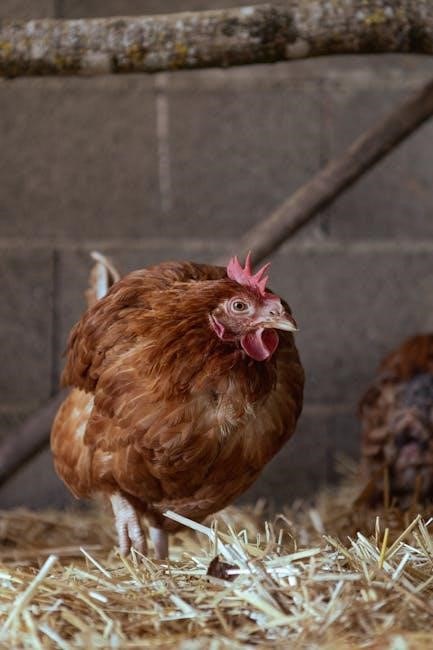
Chickens are remarkably versatile‚ offering food‚ companionship‚ and pest control globally‚ with diverse breeds possessing unique traits. Selecting the right breed impacts flock success.
The Importance of Breed Selection
Choosing the correct chicken breed is a pivotal decision‚ significantly influencing your flock’s overall success and your personal enjoyment of raising poultry. Careful consideration should be given to your primary goals – are you prioritizing egg production‚ meat yield‚ or a dual-purpose bird?
Furthermore‚ your local climate plays a crucial role; some breeds thrive in cold weather‚ while others are more heat-tolerant. The available space within your coop and run is another key factor‚ as larger breeds require more room to roam. Finally‚ understanding a breed’s temperament will ensure a harmonious flock dynamic and a more rewarding experience for you.
Understanding Egg & Meat Production
Chicken breeds vary significantly in their egg-laying and meat production capabilities. Some breeds‚ like Leghorns‚ are renowned for their prolific egg output‚ consistently delivering a high number of white eggs. Conversely‚ breeds such as Cornish Cross are specifically developed for rapid growth and substantial meat yield.
Dual-purpose breeds‚ like Plymouth Rocks‚ offer a balance between egg and meat production‚ providing a moderate supply of both. Egg size and color can also differ; red earlobes generally indicate brown eggs‚ while white earlobes suggest white eggs. Understanding these distinctions is vital for aligning breed selection with your desired outcomes.
Popular Egg-Laying Breeds
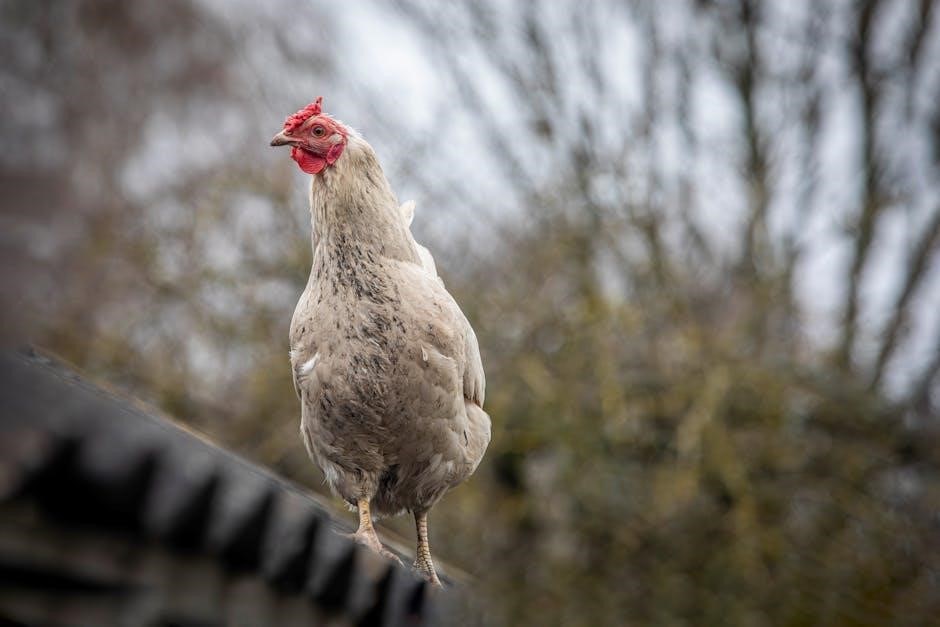
Leghorns‚ Rhode Island Reds‚ and Sussex chickens are highly favored for consistent‚ abundant egg production‚ making them excellent choices for farmers.
Leghorn Chickens
Leghorn chickens are globally recognized as premier egg producers‚ contributing significantly to the world’s egg supply. Originating from Italy‚ these birds are known for their prolific laying capabilities‚ often producing over 300 white eggs annually. They are relatively small-bodied‚ active foragers‚ and adaptable to various climates‚ though they can be flighty.
Several varieties exist‚ including the classic White Leghorn‚ but also Black‚ Brown‚ and Buff Leghorns. While exceptional layers‚ Leghorns aren’t typically favored for meat production due to their smaller size. Their energetic nature requires secure housing to prevent them from wandering. They generally don’t thrive in extremely cold conditions without proper shelter and care‚ but are heat tolerant.
Rhode Island Red Chickens
Rhode Island Red chickens are a classic American breed‚ celebrated for their dual-purpose qualities – excellent egg production and decent meat yield. They are hardy‚ adaptable birds‚ thriving in a range of climates and exhibiting a calm temperament‚ making them suitable for backyard flocks. These chickens consistently lay around 200-300 large brown eggs per year.
Their rich‚ reddish-brown plumage is distinctive and attractive. Rhode Island Reds are relatively docile and generally get along well with other chickens. They are good foragers and can tolerate confinement‚ but benefit from space to roam. They are considered a reliable and productive breed for both beginners and experienced poultry keepers‚ offering a good balance of traits.
Sussex Chickens
Sussex chickens‚ originating from the county of Sussex in England‚ are renowned for their docile nature and impressive egg-laying capabilities. They are considered a heritage breed‚ valued for their dual-purpose qualities – providing both a substantial meat yield and a plentiful supply of eggs‚ typically around 250 large‚ brown eggs annually.
Sussex chickens come in various colors‚ including the speckled‚ light‚ and red varieties. They are known for their fluffy plumage and calm disposition‚ making them excellent choices for families and beginner chicken keepers. They adapt well to different climates and enjoy free-ranging‚ though they can also thrive in confinement with sufficient space. They are truly versatile and beautiful birds.
Top Meat Breeds
Certain breeds excel in meat production‚ growing rapidly to a substantial size‚ offering a significant yield for those prioritizing meat over eggs.

Cornish Cross Chickens
Cornish Cross chickens are the industry standard for meat production‚ renowned for their incredibly rapid growth rate and efficient feed conversion. These hybrid birds reach market weight in just six to eight weeks‚ making them a popular choice for commercial operations and homesteaders alike. They are specifically bred for maximizing meat yield‚ resulting in a plump and flavorful carcass.
However‚ it’s crucial to understand that Cornish Cross chickens are not designed for a long lifespan or independent foraging. Their rapid growth puts significant strain on their legs and organs‚ often leading to health issues if not managed carefully. They require a high-protein diet and a controlled environment to thrive‚ and are generally not suitable for free-range systems. Due to their limited mobility and potential health concerns‚ they are primarily raised for meat and not as dual-purpose birds.
Jersey Giant Chickens
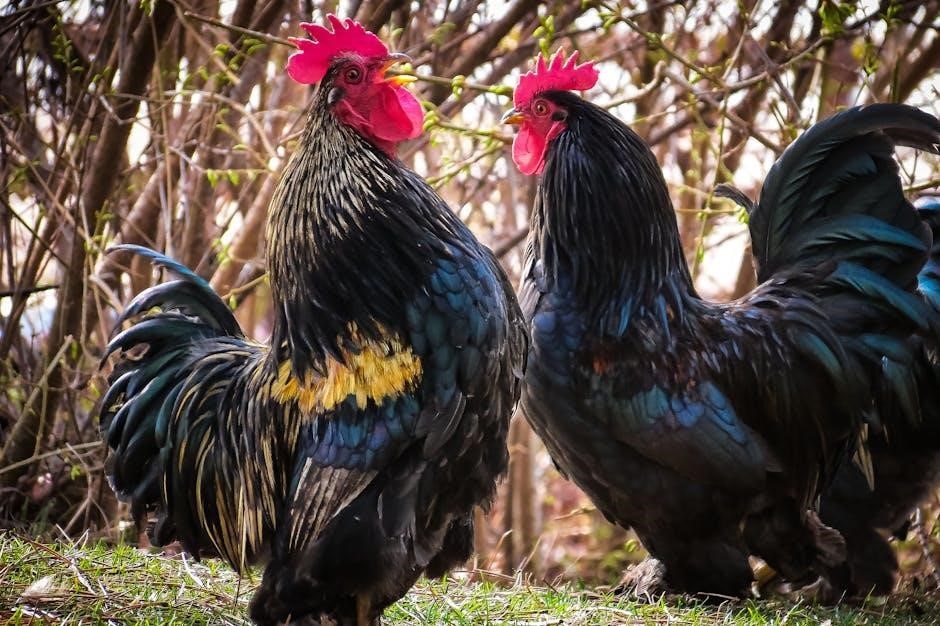
Jersey Giant chickens are aptly named‚ holding the title of the largest chicken breed in the United States. Originating in New Jersey in the mid-19th century‚ these imposing birds were initially bred by crossing Black Java chickens with European imports. Mature roosters can weigh upwards of 15 pounds‚ while hens typically reach 10-12 pounds‚ making them a substantial presence in any flock.
Despite their size‚ Jersey Giants are known for their gentle and docile temperament. They are considered a dual-purpose breed‚ providing both a significant amount of meat and a respectable number of large brown eggs. However‚ their growth rate is slower compared to meat-specific breeds like the Cornish Cross‚ requiring a longer time to reach maturity. They adapt well to various climates and are relatively hardy‚ making them a good choice for backyard poultry keepers seeking a large and friendly breed.
Brahma Chickens
Brahma chickens are majestic‚ large-bodied birds originating from India‚ though developed primarily in the United States in the 19th century. They are renowned for their impressive size‚ heavily feathered legs‚ and gentle disposition. Brahmas come in three primary varieties: Light Brahma‚ Dark Brahma‚ and Buff Brahma‚ each exhibiting unique color patterns.
These chickens are considered a dual-purpose breed‚ valued for both meat and egg production. Hens lay a moderate number of large‚ brown eggs‚ while roosters and hens provide a substantial amount of meat. Their feathered legs offer protection against cold weather‚ making them exceptionally cold-hardy. Brahmas are known to be calm and docile‚ making them suitable for families and beginner chicken keepers. They are truly a striking and practical addition to any poultry flock.
Dual-Purpose Breeds
Dual-purpose breeds excel in both egg and meat production‚ offering versatility for homesteaders and those seeking a balanced chicken flock.
Plymouth Rock Chickens
Plymouth Rock chickens are a classic American breed‚ renowned for their dual-purpose capabilities and striking barred plumage. Originating in Massachusetts‚ they quickly gained popularity for consistent egg production and substantial meat quality. These chickens are generally docile and adaptable‚ making them suitable for both experienced poultry keepers and beginners.
Hens reliably lay around 200-280 large brown eggs annually. The breed’s hardiness allows them to thrive in various climates‚ though they appreciate shelter during extreme weather. Plymouth Rocks are also known for their foraging abilities‚ contributing to reduced feed costs. Their calm temperament makes them relatively easy to handle‚ and they integrate well into mixed flocks. They are a truly versatile and dependable choice for any backyard poultry operation.
Wyandotte Chickens
Wyandotte chickens are another excellent dual-purpose breed‚ originating from the United States in the 1880s. They are celebrated for their beautiful laced plumage‚ available in a variety of colors including silver laced‚ golden laced‚ and blue laced. Wyandottes are known for their calm disposition and adaptability to different climates‚ making them a popular choice for backyard flocks.
These chickens are reliable egg layers‚ producing approximately 200-240 large brown eggs per year. They also offer a good meat yield‚ though they are primarily favored for egg production. Wyandottes are relatively hardy and can tolerate both heat and cold well‚ provided they have adequate shelter. Their gentle nature makes them easy to handle‚ and they generally coexist peacefully with other poultry breeds‚ contributing to a harmonious flock dynamic.
Orpington Chickens
Orpington chickens‚ originating in England‚ are renowned for their fluffy plumage and gentle temperament. Developed in the late 19th century‚ they were initially bred as a dual-purpose breed‚ excelling in both meat and egg production. Buff Orpingtons are the most recognizable‚ but they also come in black‚ blue‚ and white varieties.
These large‚ heavy birds are excellent layers‚ providing around 175-200 light brown eggs annually. Their docile nature makes them ideal for families with children‚ and they are known to be quite friendly. Orpingtons thrive in cooler climates due to their dense feathering‚ offering protection from the cold. They are relatively slow growers‚ but yield a substantial carcass‚ making them a valuable addition to any homestead seeking self-sufficiency.
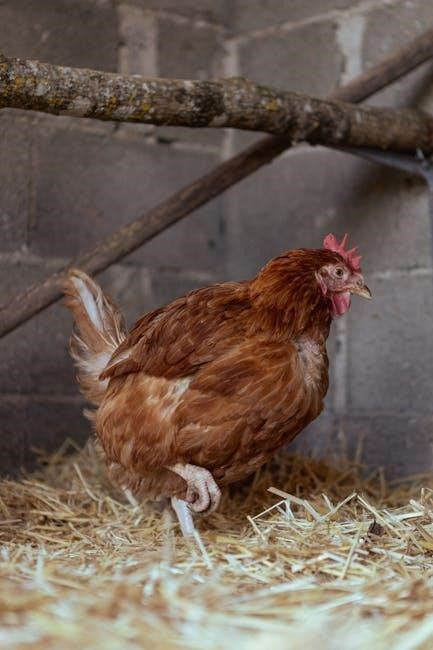
Climate-Specific Breeds
Selecting breeds suited to your climate is crucial for a thriving flock; some excel in cold‚ while others tolerate heat exceptionally well.
Cold-Hardy Breeds (e.g.‚ Australorp)
For colder climates‚ choosing breeds with robust constitutions and good feathering is essential for preventing frostbite and maintaining egg production throughout winter; The Australorp‚ originating from Australia‚ is renowned for its exceptional cold hardiness‚ alongside breeds like Wyandottes and Orpingtons. These chickens possess dense plumage providing excellent insulation against frigid temperatures.
Furthermore‚ their smaller combs and wattles minimize the risk of frostbite. Other notable cold-hardy options include Brahmas‚ known for their heavily feathered legs‚ and Rhode Island Reds‚ which demonstrate considerable resilience. Prioritizing these breeds ensures a comfortable and productive flock even during harsh winter conditions‚ maximizing egg yield and overall chicken well-being.
Heat-Tolerant Breeds (e.g.‚ White Leghorn)
When facing warmer climates‚ selecting chicken breeds capable of withstanding high temperatures is crucial for maintaining health and productivity. The White Leghorn stands out as a particularly heat-tolerant option‚ alongside breeds like Minorcas and Andalusians. These chickens possess larger combs and wattles‚ facilitating efficient heat dissipation through increased blood flow.
Their lighter plumage also contributes to better temperature regulation. Providing ample shade‚ fresh water‚ and ventilation are still vital‚ but these breeds naturally cope better with heat stress. Choosing heat-tolerant breeds minimizes the risk of heatstroke and ensures consistent egg laying even during scorching summer months‚ promoting a thriving flock.
Rare and Exotic Chicken Breeds
Unique breeds like Silkies‚ Polish‚ and Cochins offer distinctive appearances and temperaments‚ adding intrigue to any flock and showcasing avian diversity.
Silkie Chickens
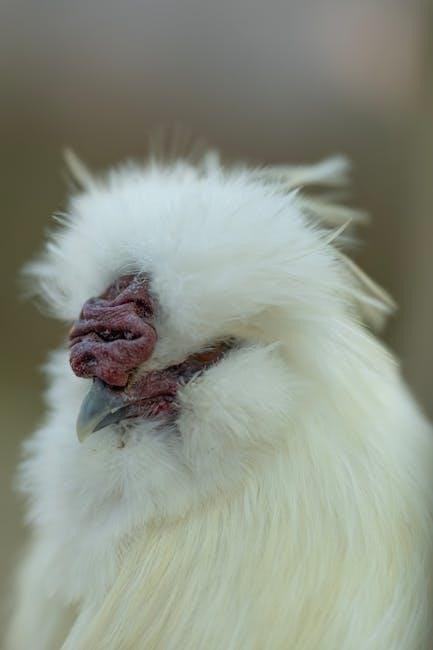
Silkie chickens are renowned for their incredibly fluffy plumage‚ resembling silk or fur‚ a trait resulting from a genetic mutation affecting feather structure. Originating in ancient China‚ these captivating birds are valued for their gentle disposition and unique appearance‚ making them excellent pets and broody hens.
They possess several unusual characteristics‚ including black skin and bones‚ five toes on each foot (most chickens have four)‚ and a calm‚ docile temperament. Silkies are often used as mothers for other fowl due to their strong maternal instincts. Available in various colors – white‚ black‚ grey‚ buff‚ and splash – they are a delightful addition to any backyard flock‚ offering both visual appeal and a friendly presence. Their small size and gentle nature make them particularly well-suited for families with children.
Polish Chickens
Polish chickens are instantly recognizable due to their extravagant crest of feathers atop their heads‚ giving them a distinctive and somewhat comical appearance. Originating in the Netherlands‚ these birds were popularized in Poland‚ hence their name. Despite their striking looks‚ Polish chickens are generally friendly and docile‚ though their crest can obstruct their vision‚ making them somewhat clumsy and easily startled.
They come in a variety of colors and patterns‚ including white‚ black‚ buff‚ and silver laced. Polish chickens are not known for prolific egg-laying‚ but they make charming additions to ornamental flocks. Their unique appearance and gentle nature make them a favorite among poultry enthusiasts. Providing a sheltered run is crucial‚ as their limited vision makes them vulnerable to predators.
Cochin Chickens
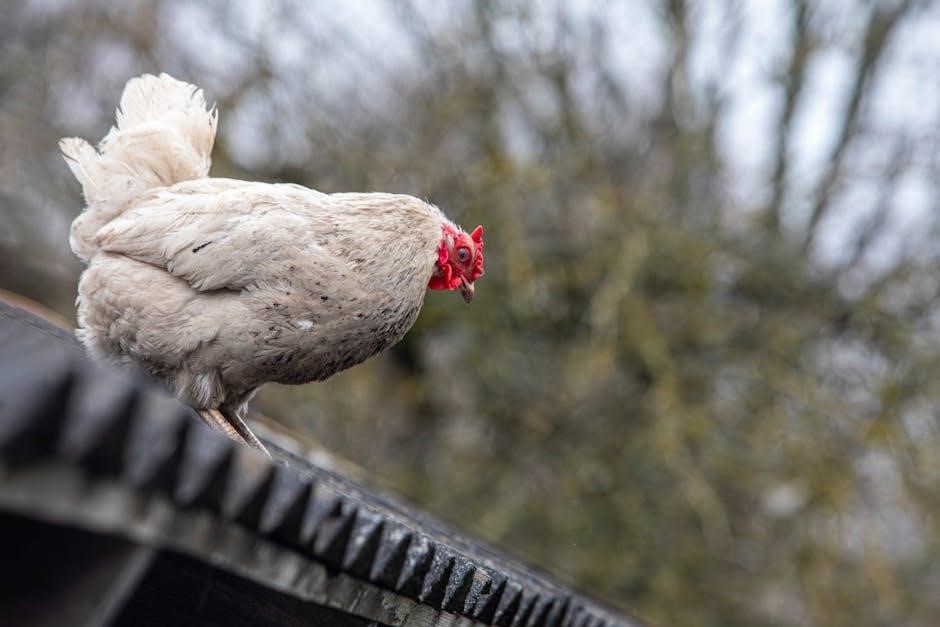
Cochin chickens are renowned for their profuse feathering‚ giving them a fluffy‚ rounded appearance. Originating in China‚ they were brought to England in the 1840s and quickly gained popularity for their ornamental value. Cochins are known for being exceptionally docile and friendly‚ making them excellent pets‚ particularly for families with children. They are relatively quiet birds and adapt well to confinement‚ though they do enjoy foraging.
Available in various colors like black‚ white‚ buff‚ and partridge‚ Cochins are not prolific egg layers‚ but they are reliable sitters. Their heavy feathering makes them susceptible to mites and lice‚ requiring regular health checks. They thrive in cooler climates due to their dense plumage‚ offering a charming and gentle presence to any flock.
Chicken Breed Characteristics & Egg Color
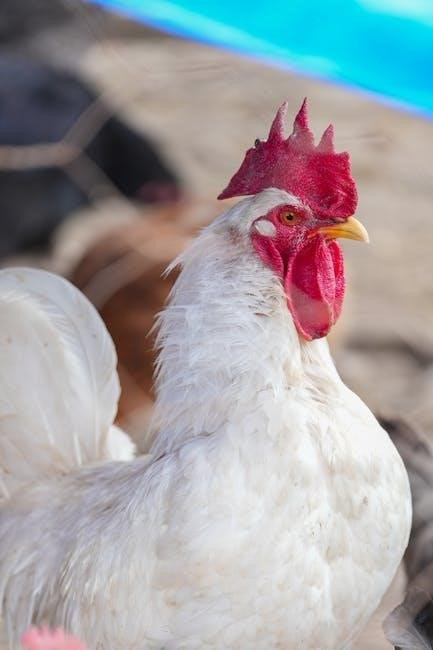
Earlobe color reliably predicts eggshell hue: red earlobes generally indicate brown eggs‚ while white earlobes typically lay white-shelled eggs consistently.
Red Earlobes & Brown Eggs
Generally‚ chicken breeds exhibiting red earlobes are strongly correlated with the production of brown eggs. This isn’t a universal rule‚ but a remarkably consistent indicator. Breeds like Rhode Island Reds‚ Plymouth Rocks‚ and Orpingtons proudly display red earlobes and reliably deliver beautiful brown eggs. The intensity of the red coloration can sometimes‚ though not always‚ suggest a richer‚ darker egg brown.
However‚ it’s crucial to remember that genetics are complex‚ and exceptions exist. Factors beyond earlobe color‚ such as breed lineage and individual hen variation‚ can influence egg color. Nevertheless‚ red earlobes serve as a helpful guideline when anticipating the egg color of a particular chicken breed‚ offering a quick visual clue for poultry keepers.
White Earlobes & White Eggs
Conversely‚ chicken breeds characterized by white earlobes typically lay white-shelled eggs. This association is also quite reliable‚ though‚ like red earlobes and brown eggs‚ it isn’t absolute. The Leghorn chicken is a prime example‚ consistently producing large quantities of white eggs and sporting distinct white earlobes. Other breeds‚ such as Andalusians‚ also fall into this category‚ offering a dependable source of white eggs.
Again‚ genetic nuances can introduce variations. While white earlobes strongly suggest white eggs‚ individual hens might occasionally deviate. Nevertheless‚ for most practical purposes‚ white earlobes provide a valuable indication of eggshell color‚ simplifying breed identification and egg collection for poultry enthusiasts.
Chicken Health & Behavior
Stress in chickens often manifests as feather loss‚ while a normal chicken heart beats over 300 times per minute; they also cannot taste sweetness.
Stress & Feather Loss
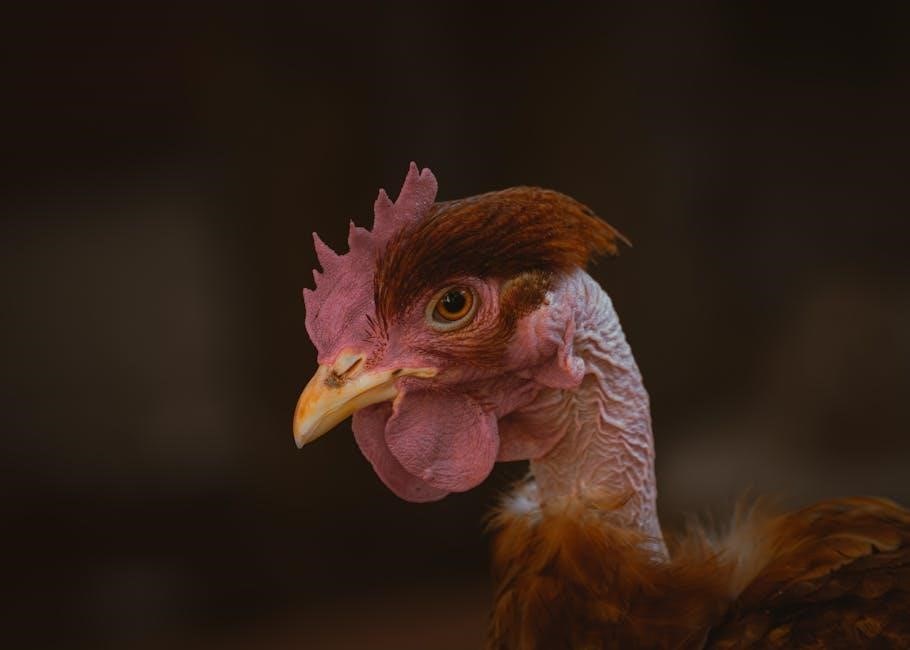
Feather loss in chickens is frequently a visible sign of underlying stress‚ indicating a disruption in their well-being. This stress can stem from various sources‚ including changes in their environment‚ introduction of new flock members‚ predator presence‚ or even inadequate nutrition.
It’s crucial to identify and address the root cause of the stress to prevent further feather loss and potential health complications. Observing flock dynamics and environmental factors can provide valuable clues. A stressed chicken may also exhibit behavioral changes‚ such as increased aggression or withdrawal. Maintaining a calm and stable environment is paramount for a healthy‚ well-feathered flock.
Chicken Heart Rate
A chicken’s physiological makeup is quite fascinating‚ and their heart rate is a prime example of this. Remarkably‚ a chicken heart beats at an incredibly rapid pace – exceeding 300 beats per minute! This high heart rate is a reflection of their relatively small size and high metabolic rate‚ necessary to support their active lifestyle and maintain body temperature.
Factors like age‚ breed‚ and level of activity can slightly influence this rate‚ but generally‚ it remains consistently high. Monitoring a chicken’s heart rate can be a useful indicator of their overall health‚ with significant deviations potentially signaling underlying health issues requiring veterinary attention.