Watch Band Size Guide: A Comprehensive Overview (Updated 02/05/2026)
Navigating the world of watch bands requires understanding sizes, compatibility, and adjustment methods. This guide, updated today, will help you find the perfect fit,
avoiding common pitfalls and ensuring your timepiece looks its best.
Understanding Lug Width
Lug width is the most crucial measurement when selecting a new watch band. It refers to the distance, in millimeters, between the lugs – the ‘horns’ – on your watch case where the band attaches. Accurate measurement is paramount; a band with an incorrect lug width simply won’t fit, or will fit insecurely.
To determine your watch’s lug width, you’ll need a ruler or, ideally, a pair of calipers. Measure the inside distance between the lugs. Don’t measure the outer edges of the lugs themselves. Common lug widths range from 18mm to 24mm, though variations exist.
It’s vital to measure both lugs, as slight discrepancies can occur during manufacturing. If there’s a difference, use the larger measurement. Many online resources and watch communities offer guides and tools to help you identify your lug width if you’re unsure. Incorrectly sized bands can damage your watch, so precision is key. Remember, the band must sit flush against the lugs for both aesthetic appeal and security.
Measuring Your Wrist
Determining your wrist size is essential for comfort and a secure fit, complementing the crucial lug width measurement. Simply knowing the lug width isn’t enough; the band length must be appropriate for your wrist circumference.
Use a flexible measuring tape to measure around your wrist where you would normally wear your watch. Ensure the tape is snug, but not overly tight. Record this measurement in millimeters or inches. If you don’t have a flexible tape, use a piece of string and then measure the string with a ruler.
Add or subtract a small amount based on your preference. For a looser fit, add 5-10mm (or ¼ ⸺ ½ inch). For a more secure fit, subtract 5-10mm (or ¼ ⸺ ½ inch). Consider your activity level; a tighter fit is preferable for sports, while a looser fit is more comfortable for everyday wear.
Remember, this measurement is a starting point. Different band materials (leather, metal, NATO) may require slight adjustments to achieve optimal comfort.
Standard Watch Band Sizes
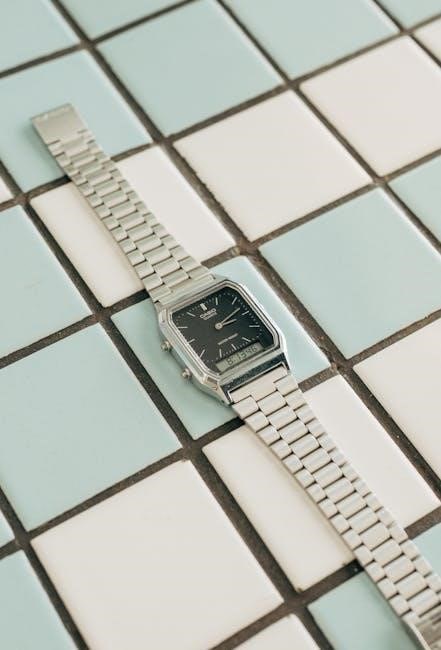
Standard watch band sizes refer to the width of the band where it connects to the watch case, known as lug width. This is the primary measurement for compatibility. Common sizes range from 18mm to 24mm, though variations exist.
You’ll frequently find 20mm and 22mm bands are the most popular, fitting a wide array of watches. Smaller watches, particularly vintage or women’s models, often use 16mm or 18mm bands. Larger, more robust watches typically require 24mm or even 26mm bands.
Band length is also crucial. Standard lengths typically range from approximately 75mm to 120mm, with the longer lengths accommodating larger wrists. Most bands offer some adjustability, but it’s vital to choose a length that’s reasonably close to your wrist measurement.
Understanding these standard sizes simplifies the selection process, ensuring a proper fit and aesthetic harmony between your watch and its band. Always confirm the lug width of your watch before purchasing a replacement band.
Apple Watch Band Sizes
Apple Watch bands are unique due to their proprietary connector system, but sizing remains relatively straightforward. Unlike standard watch bands, Apple Watch bands are categorized by case size, not lug width.

Currently, Apple Watch case sizes are 41mm, 45mm, and 49mm; A 41mm Apple Watch requires a band designed for 41mm cases, and so on. It’s crucial to match the band size to your specific Apple Watch model for a secure and flush fit.
Older Apple Watch models (Series 1-7) used 38mm, 42mm, and 44mm case sizes. Bands designed for these older sizes are still available, but won’t be compatible with newer models.
Apple has addressed compatibility issues with some bands, but it’s always best to verify the size before purchasing. The new bracelets require finding the right size, which can be a challenge for some users.
Apple Watch Band Size Chart (mm)
Here’s a detailed chart outlining Apple Watch band sizes and their corresponding watch case compatibility. Understanding this chart is vital for ensuring a proper fit and avoiding compatibility issues when purchasing replacement bands.
| Watch Case Size (mm) | Compatible Band Size (mm) | Apple Watch Series |
|---|---|---|
| 38mm | 38mm | Series 1, 2, 3 |
| 42mm | 42mm | Series 1, 2, 3 |
| 44mm | 44mm | Series 4, 5, 6, 7 |
| 41mm | 41mm | Series 7, 8, 9 |
| 45mm | 45mm | Series 7, 8, 9 |
| 49mm | 49mm | Series 9, Ultra, Ultra 2 |
Always double-check your Apple Watch model number to confirm the correct case size before ordering a new band. Incorrect sizing can lead to a frustrating experience and a band that doesn’t fit securely.
Samsung Galaxy Watch Band Sizes
Samsung Galaxy Watch bands utilize a standard lug width, but variations exist across different models. Knowing your specific Galaxy Watch version is crucial for selecting the correct band size. Unlike Apple’s more rigid sizing, Samsung offers a bit more flexibility, but compatibility must still be verified.
Generally, the original Galaxy Watch (2018) and the Galaxy Watch 3 utilize 20mm bands. The Galaxy Watch Active and Active 2 typically require 20mm bands as well. However, the larger Galaxy Watch 4, Watch 4 Classic, Watch 5, and Watch 5 Pro come in two size options.
The 40mm and 44mm Galaxy Watches use 20mm bands, while the 46mm Galaxy Watch 4 Classic and the 47mm Watch 5 Pro require 22mm bands. Always confirm your watch’s exact model number to ensure a perfect fit and avoid purchasing an incompatible band.
Fitbit Band Sizes
Fitbit’s band sizing is unique, differing significantly from traditional watches. Most Fitbit trackers utilize proprietary band connections, meaning standard watch bands won’t fit. Fitbit bands are generally categorized by tracker model, not a standardized millimeter width.
For example, the Fitbit Charge 5 and Charge 6 use a specific band size that is only compatible with those models. Similarly, the Luxe tracker requires bands designed specifically for its slim profile. Older models like the Fitbit Inspire series also have unique band attachments.
The Versa series (Versa 2, 3, and 4) utilizes a 24mm band size for many aftermarket options, but verify compatibility before purchasing. The Sense series also generally uses 24mm bands. Always check Fitbit’s official website or product documentation to confirm the correct band size for your specific Fitbit tracker model to ensure a secure and comfortable fit.
NATO Strap Compatibility & Sizing
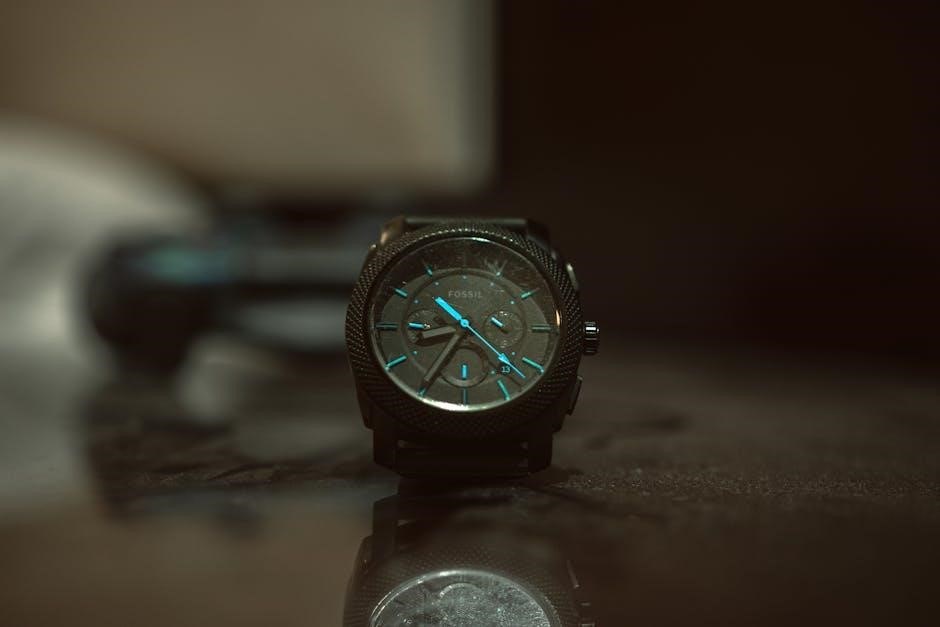
NATO straps offer a versatile and stylish option for many watches, but understanding compatibility is crucial. Originally designed for the British military, NATO straps pass under the spring bars, providing added security and a unique aesthetic. They distribute weight differently, often making larger watches more comfortable.
The primary sizing factor for NATO straps is lug width – the measurement between the spring bar lugs on your watch case. A NATO strap should match this lug width precisely. However, due to the strap’s construction, a slight variation (0.5mm — 1mm) is often acceptable.
NATO straps come in various thicknesses and materials, impacting how the watch sits on the wrist. Thicker straps create more height. Ensure the strap’s buckle and keeper loops are appropriately sized for your wrist circumference. Generally, a NATO strap length of 255mm is sufficient for most wrists, but longer options are available.
Leather Watch Band Sizing Considerations
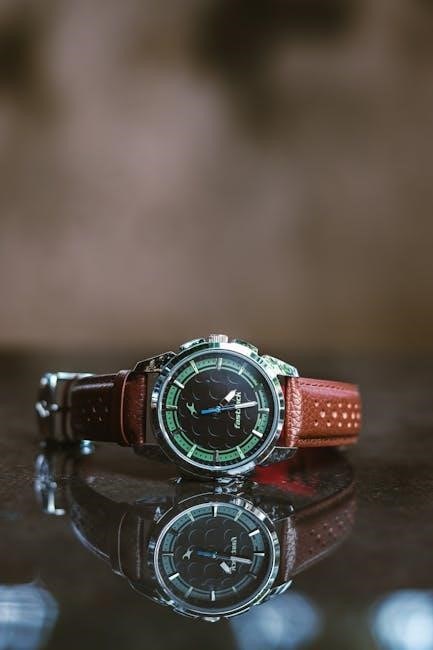
Leather watch bands offer a classic and refined look, but proper sizing is essential for both comfort and aesthetics. Unlike metal bracelets, leather bands have limited adjustability, making accurate measurements critical before purchase.
Lug width remains the primary sizing factor for leather bands, mirroring NATO strap requirements. However, leather bands also require consideration of band length. This is determined by your wrist circumference plus the length needed to comfortably fit under the buckle.
Standard leather band lengths typically range from regular (75-80mm) to extra-long (95-100mm). Measure your wrist and add approximately 20-30mm to determine the appropriate length. Tapered leather bands (narrower at the buckle) require careful consideration of buckle width.
Leather stretches and conforms to the wrist over time, but starting with a slightly larger size is preferable to a band that’s too tight. Quality leather bands often offer additional holes for fine-tuning the fit.
Metal Bracelet Adjustment Methods
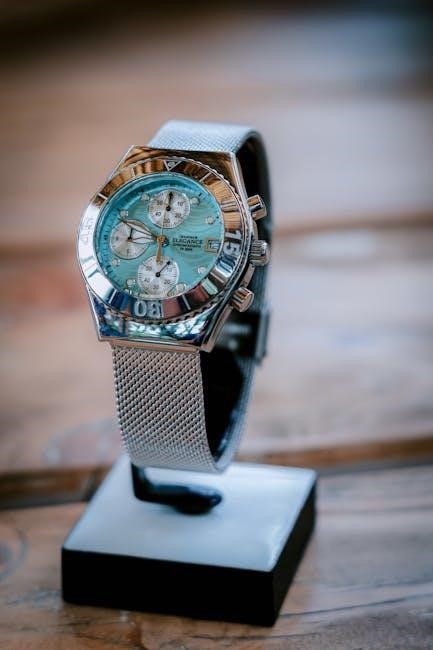
Metal bracelets offer a secure and stylish option, but achieving a perfect fit often requires adjustment. Most metal bracelets are designed with removable links, allowing for precise sizing to match your wrist circumference. Understanding the adjustment process is key to comfort and proper wear.
The most common method involves removing links using a spring bar tool. This tool compresses the spring bars that hold the links together, enabling their removal. Some bracelets utilize screw-in links, requiring a small screwdriver for adjustment. Always work carefully to avoid scratching the bracelet or damaging the components.
Micro-adjustment features, found on higher-end bracelets, offer incremental sizing without removing full links. These often involve a sliding clasp or a system of pins. Professional adjustment is recommended if you’re uncomfortable performing the task yourself, ensuring a secure and aesthetically pleasing fit.
Consider the taper of the bracelet when adjusting; maintaining balance is crucial for visual appeal.
Removing Links from a Metal Bracelet
Removing links from a metal bracelet is the primary method for adjusting its size. You’ll typically need a spring bar tool – a small, forked instrument designed to compress the spring bars holding the links together. Carefully position the forked end of the tool between the link and the bracelet case, pressing inwards to compress the spring bar.
Once compressed, gently maneuver the link free. Some bracelets have directional links; pay attention to the correct orientation for reassembly. For bracelets with screw-in links, a small screwdriver is required to loosen and remove the screws. Keep track of all removed components – screws, spring bars, and links – to facilitate reinstallation if needed.
Work on a clean, soft surface to prevent scratches. If a link is particularly stubborn, avoid excessive force; re-examine the mechanism and ensure the spring bar is fully compressed. Professional assistance is advisable if you encounter difficulty or are unsure about the process, preventing potential damage to your bracelet.
Quick Release Pin Systems
Quick release pin (QRP) systems have revolutionized watch band changes, offering a tool-less and remarkably simple method for swapping straps. These systems feature spring-loaded pins with recessed buttons on either side. To release the band, simply use a fingernail or a small tool to simultaneously depress both buttons on the pin.
This action retracts the pin, allowing the band to slide off the watch lugs. Installation is equally straightforward: align the band with the lugs and slide it onto the pins until they click into place, securing the strap. QRP systems are widely adopted by many watch brands, including some Apple Watch and Samsung Galaxy Watch models, enhancing convenience.
Ensure the pins are fully seated before wearing the watch to prevent accidental detachment. While incredibly user-friendly, occasionally pins can become slightly sticky; a gentle wiggle while pressing the buttons can resolve this. QRP systems offer a significant advantage for those who frequently change their watch bands.
Tapered vs. Straight End Bands
Watch bands come with two primary end styles: tapered and straight. Understanding the difference is crucial for achieving a harmonious look with your timepiece. Tapered bands narrow as they approach the lugs, creating a more integrated and streamlined appearance, particularly suited for watches with a similar case design. They often enhance the watch’s aesthetic by visually softening the transition between strap and case.
Straight end bands, conversely, maintain a consistent width from the buckle to the lugs. These are generally more versatile, working well with a broader range of watch case styles, especially those with a bolder or more angular design. Straight ends can sometimes appear slightly less refined on watches specifically designed for tapered bands.
The choice often comes down to personal preference and the watch’s overall design. Consider the lug shape and width when selecting a band; tapered bands typically require a precise fit, while straight ends offer more leeway. Ultimately, the goal is a balanced and visually pleasing combination.
Finding the Right Band Length
Determining the correct watch band length is vital for comfort and aesthetics. A band that’s too short will constrict your wrist, while one that’s too long will look awkward and potentially flap around. Standard watch band lengths are typically measured from the spring bar lug to the end of the band, excluding the buckle.
To measure for the right length, use a flexible measuring tape to measure your wrist circumference. Then, add approximately 20-30mm to that measurement. This provides enough length for comfortable movement and proper buckle placement. However, this is a general guideline; individual preferences vary.
Consider the number of holes already present in the band. If you have a smaller wrist, a band with more holes offers greater adjustability. For larger wrists, ensure the band has sufficient length to reach the buckle comfortably. Ultimately, a properly sized band should allow for a snug, yet comfortable, fit without feeling restrictive.
Tools Needed for Watch Band Changes
Successfully changing a watch band requires a few essential tools to prevent damage to your timepiece and ensure a secure fit. The most common tool is a spring bar tool – a forked instrument used to compress the spring bars that hold the band in place. These tools come in various designs, some with replaceable tips for different spring bar sizes.
A case knife or a small flathead screwdriver can be helpful for gently prying up stubborn spring bars, but exercise extreme caution to avoid scratching the watch case. A magnifying glass is beneficial for inspecting small parts and ensuring proper alignment. Soft cloths or a watch block are crucial for protecting the watch case from scratches during the process.
For metal bracelets, a link removal tool is necessary to adjust the band length. These tools typically push out the pins connecting the links. Finally, having a pair of fine-tipped tweezers can assist with handling small spring bars and other components. Investing in quality tools will make the process smoother and safer.

Where to Buy Watch Bands (Online & Offline)
The market for watch bands is vast, offering options both online and in brick-and-mortar stores. Online retailers like Amazon, eBay, and specialized watch band websites such as Esslinger, DaLuca Straps, and Crown & Buckle provide extensive selections, competitive pricing, and customer reviews. These platforms often categorize bands by watch model, lug width, and material, simplifying the search.
Offline, local watch repair shops frequently carry a range of bands and can offer expert advice on sizing and compatibility. Department stores with watch departments may also stock a limited selection. Jewelers often carry higher-end bands, particularly metal bracelets and leather straps.
Directly from the manufacturer – like Apple or Samsung – is an option for specific smartwatch bands. Comparing prices and reading reviews before purchasing is always recommended, ensuring you get a quality band at a fair price. Consider shipping costs and return policies when buying online.